What role does stress and anxiety currently play in your life?
What are your ways of managing it, and are they working?
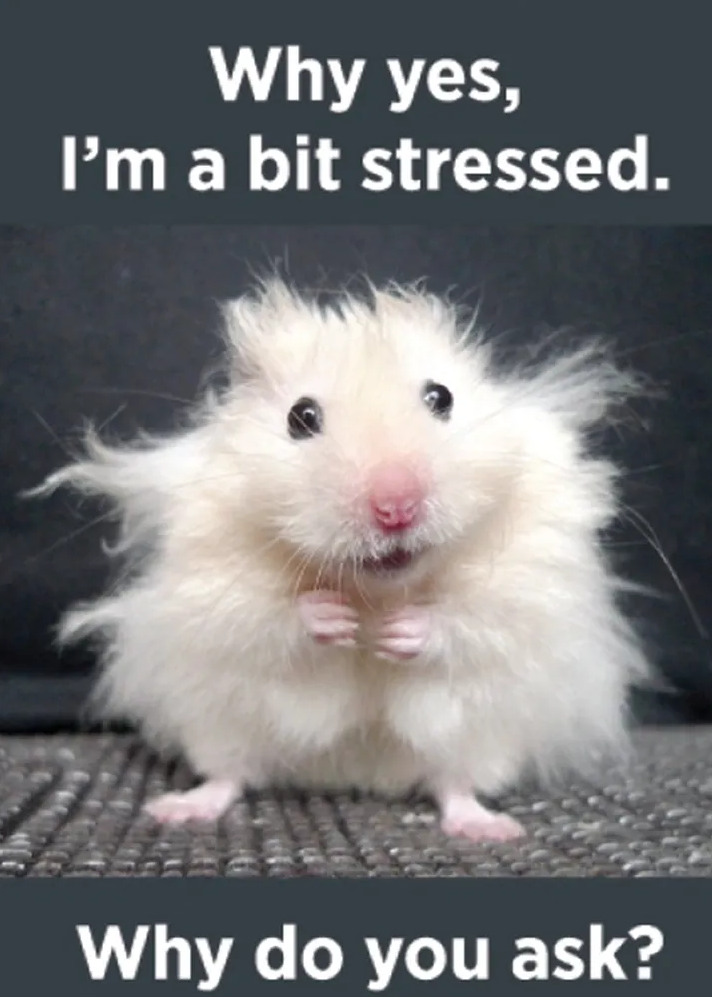
Chances are, like most of us, your coping strategy will include some form of numbing or masking. Numbing includes things like binge-watching or doom scrolling as a form of distraction. This is another way of dissociating, which is why when the ‘Are you still watching?’ screen pops up, we have lost complete awareness of self and time, and we’ve wasted half the day. Masking is a way of inducing a temporary fix, with the consumption of alcohol or sugar, for example. This temporarily releases the feel-good hormone, dopamine, covering up the effects of excess stress hormone, cortisol.
With both strategies, we are often left feeling neither relief or truly restored, only for the anxious patterning to play on repeat. When I was in this vicious cycle, I could only describe it as exhausting. Do you ever feel that way?
Fighting fire with fire.
For years, the magic shiny pill for emotional stress has been known to be exercise, which, in itself, is a type of physical stress on the body. While physical activity adds endorphins into the mix, we experience a similar chemical reaction with both emotional and physical stress. With both, adrenaline and cortisol are released into our bloodstream but there is a key difference. Unlike ongoing emotional stress, where we may sit stationary at our desk or in our car while the stress hormones are drip-fed through our system; exercise provides a physical outlet, bringing us out of an over-activated state because it has been fully processed with activity. Exercise includes both movement and deep breathing.
The point of our nervous system isn’t always to be totally zen and cool as a cucumber 24/7. Thank goodness because in life, that just isn’t realistic. The main purpose of this intelligent system is to be able to experience all the extremes while being able to come back into regulation in the end. When we move through activation and back into a regulated place, this is known as completing the stress-response cycle (which I first discovered in the book ‘Burnout’ by Amelia Nagoski). Unfortunately, most of us don’t get the chance to move through this full outlet, which is why most ‘clam down’, ‘think positive‘ stress management strategies just don’t work and if anything, feel utterly frustrating. The therapeutic and somatic based approach to moving through this cycle, is with the use of both the breath and sound.
Why breathe?
The stress response, known as fight-or-flight, is hardwired into us as a safety mechanism and, at its core, is primal. If you see any animal that has either fought or run for its life, it will always immediately do one thing once it is free from the threat: breathe. Deep, full, expansive, open-mouth breaths help process the experience.
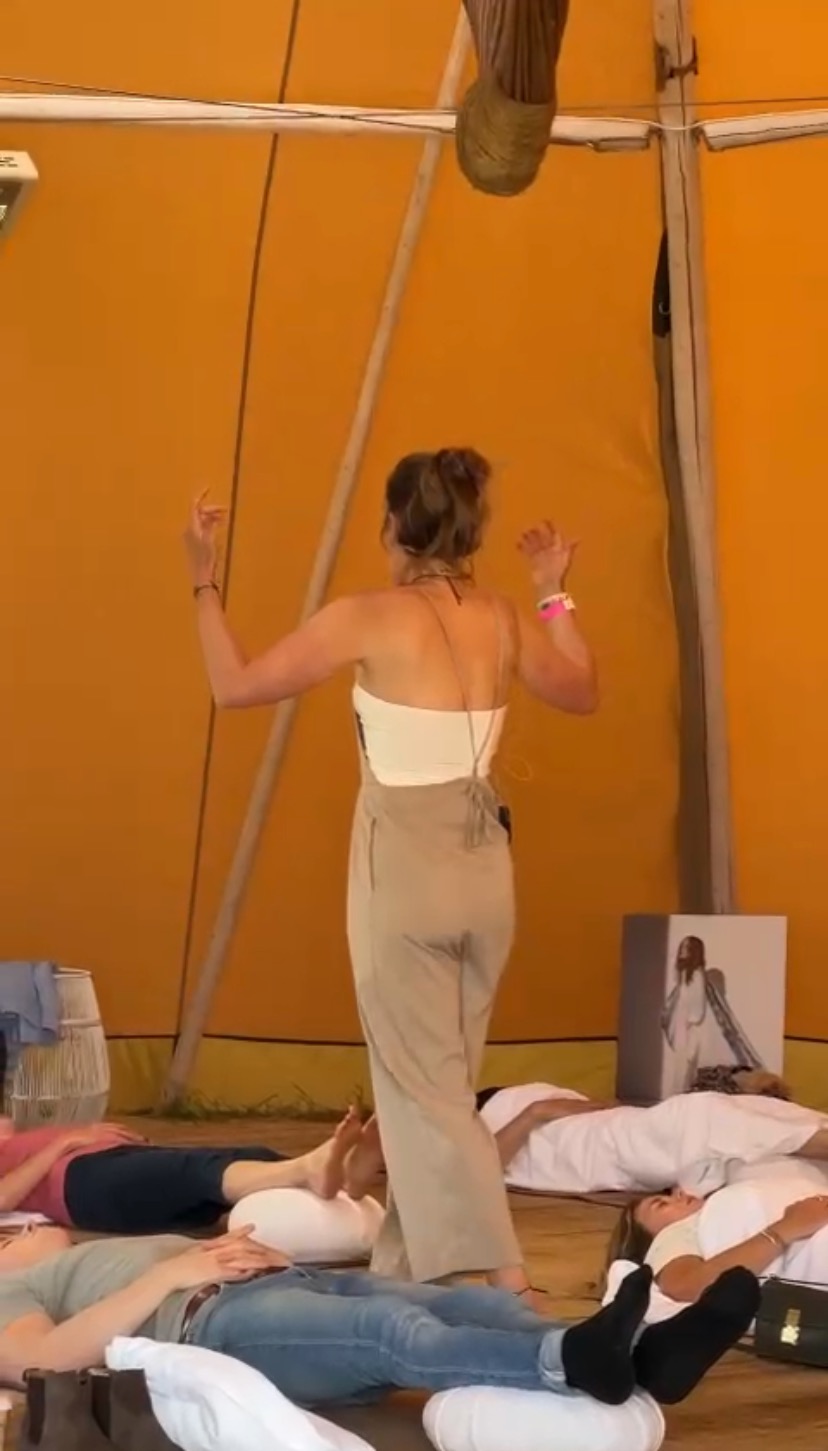
If you think past stress and to any overwhelming emotion you have ever felt, the breath would have responded. A gasp, a sob, or laughter – our breathing shifts in relation to the emotion. When we intentionally use full expansive breaths, letting them move through us, we are able to tap into repressed emotions that we have shut down in our system. We can do this using a therapeutic style of breathing, known as conscious connected breath, which activates the nervous system to help shift dormant emotion. For the majority of my life, I strongly identified as someone who ‘just never got angry…’ Little did I know I, like every human on this planet, had access to anger, I was just excellent at hiding it. The emotional energy that goes towards keeping something hidden is draining and eventually debilitating. The breath has helped me tap into the full spectrum of emotion. The good, the ugly and the uncomfortable. During a breath journey, we work towards grounding and gradually build to a peak where we have the potential for a release, and then the body starts to come back down from this activation into a center place. This is where we move into regulation; this is where we can harness the nourishment from sound.
Why sound?
As frequency sounds from specific instruments, the vibrations are emitted out into the space and eventually reach you. As this happens, we ‘receive’ the sound in two ways:
- Through the ear: The way we often think of receiving sound is through the auditory nerve in the ear canal, which sends an electromagnetic current to the brain, which we interpret as sound.
- Through the skin: On a psychoacoustic level, we physically conduct the vibration into the fluid within the body, on a cellular level. Despite our seemingly solid exterior, our connective tissues consist of 60% fluid, making the human body an excellent conductor of sound. The nerves that make up our autonomic nervous system live within and throughout this intelligent tissue. By bringing resonance to our body through sound, we begin to calm our system and physically and mentally relax. This is an innate concept to us; children will naturally sing or hum, as would a mother to a newborn. We know how nurturing sounds can bring us into regulation.
The shares that often come after experiencing this full experience of the nervous system are…
I’m restored
I’m centered
I am home
If you feel curious to explore these modalities further, may I share a couple of ways…
- The Deep Breathe: This event is an exploration into therapeutic breathwork and crystal bowl sound bath. Held at State Yoga in Highgate on 21st October at 14:00. See more information here.
- Join me in a session: I hold bite-sized spaces throughout the week to explore these modalities, both in the studio and virtually. See my weekly timetable here.
- Book a one-to-one: To dive into your own personal experience with a bespoke and personalized approach, contact me directly to inquire about a private session.
Wherever you are on your journey, may the right healing make its way naturally to you.
Jas x
 Home
Home 
Leave a comment