It feels impossible to ignore the growing rise of “#skinnytok”, the movement towards slimmer, smaller bodies. Which feels like such a shame because for a while, it felt like there was a really positive shift towards accepting bodies of all sizes. As someone who works with the body, I find myself curious about the impact this renewed fascination with thinness has on our nervous systems, often without us even realising it.
In case you’re new here, I spent most of my childhood and early adulthood in dance training, which meant very early on in life I was routinely obsessed and highly critical of the size and appearance of my body. I might preface this by saying I understand I am writing this as someone in a socially recognisable “slim” body. It doesn’t mean I am immune to these influences, and it certainly doesn’t mean I don’t experience personal body image struggles on a regular basis. This issue goes beyond what is considered the healthy norm and enters far more dangerous territory, where people in typical bodies can feel as though they need to fix what isn’t broken.
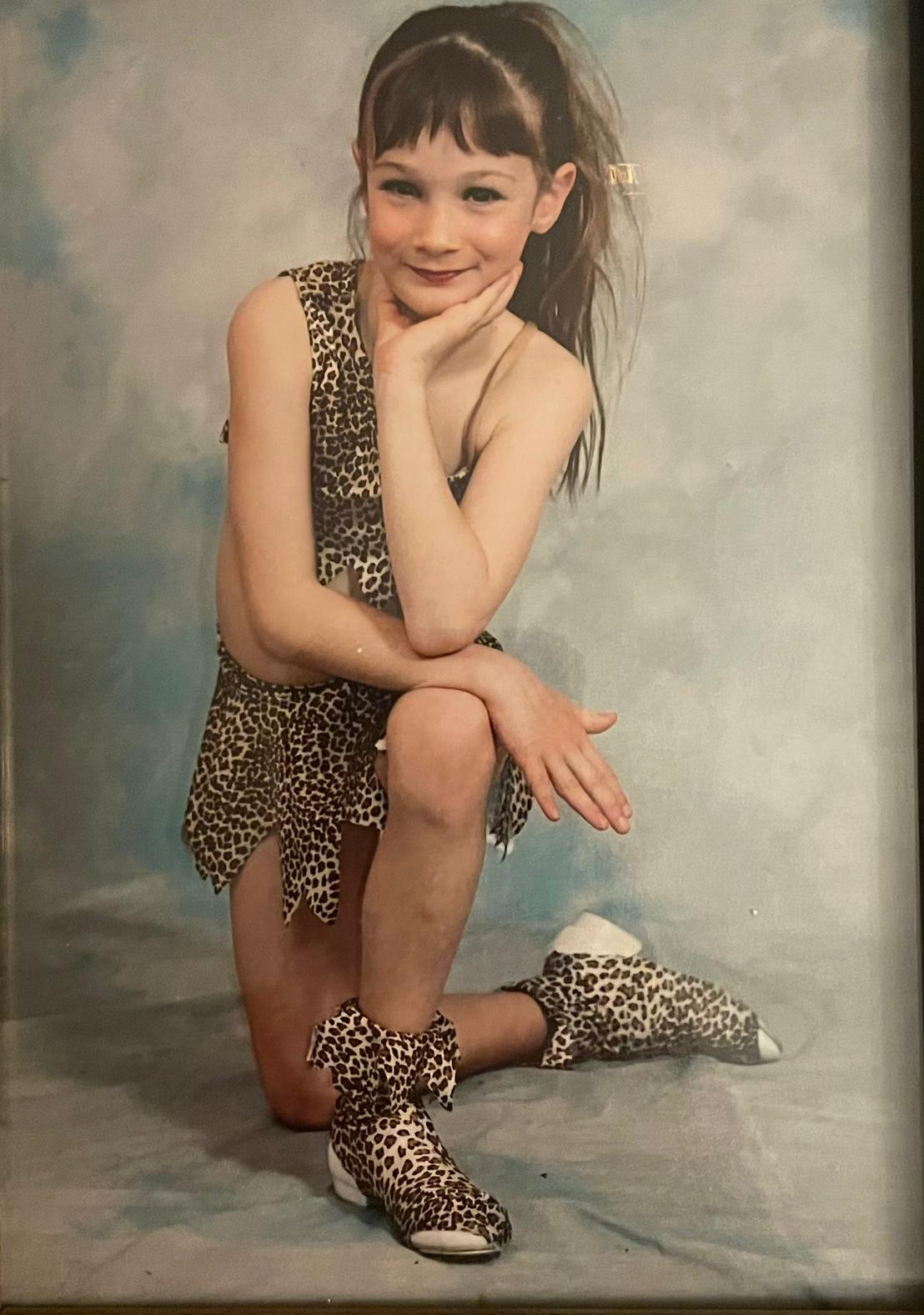
In my relatively short time on this earth, I’ve already watched body ideals swing dramatically. I’ve seen the thigh gap era, the obsession with being waif-like, then the shift into curves and gym culture. I’ve seen ‘strong not skinny’, wellness trends disguised as health, and now we seem to be circling right back to thinness again. The ideal keeps changing, but the pressure on bodies never really seems to leave.
Some cold hard facts for you…
- Among young women aged 17 to 19, eating disorder rates rose from 1.6% in 2017 to 20.8% in 2023. – link
- In the UK, cosmetic surgery procedures rose by 102% in 2022. – link
- In England, 1 in 5 children and young people aged 8 to 25 were found to have a probable mental health condition in 2023. – link
This feels heartbreaking and as a civilisation that is so focused on progressing, it feels like we are somehow going backwards.
“So what’s the big deal with things like Ozempic being on the mainstream market?”
(For those of us who medically do not need it) the normalisation of weight loss drugs subliminally encourages us to ignore our bodily signals, especially hunger. Even if we are not taking it, the unspoken message is that hunger = eating = bigger = bad and we are better off ignoring it. Natural hunger and satiety cues were something I was so out of touch with when I started reconnecting to my body. I quite literally had to use a blood sugar monitor to notify me when my blood sugar levels were too low, in other words, to tell me to eat because I was so disconnected from what true hunger actually felt like. As someone who has had a disordered relationship with food, I had become disconnected from what my body was trying to communicate. When there is societal pressure to be small, there can be a natural resistance to eating, even when we are hungry and even when we need fuel.
The wider problem here is that the nervous system doesn’t really let us pick and choose which signals we suppress. If we start ignoring some bodily cues, we can begin to numb ourselves to others too. We might stop noticing pain, exhaustion, joy, excitement, or pleasure. And then there’s the more obvious reality: if we are overusing and under-fuelling our bodies, our systems can begin to perceive this as a threat. We can end up living in a consistent stress response, out of fear that we may not be fed again. Little did I know at the time that being hangry wasn’t a natural part of my personality; I was underfeeding myself.

What else is happening to the body?
With an overwhelming pressure to be smaller, there can be an instinctive reaction to brace, pull in, and zip up the body. Think scooped-in stomachs, chronic tension around the belly and pelvic floor, and held breath patterns, all stemming from a need to appear smaller. This instinctive patterning that we adopt in order to take up less space has a real impact on the overall function of the body. The message creates an impact. Tension creates holding and inflammation, and this influences movement, emotion, and behaviour. In other words, it is exhausting for muscles to feel like they have to stay switched on all the time. It not only creates discomfort, it limits true and free expression.
A large part of the somatic work I do involves identifying recurring patterns of tension held in the body. When there is wounding around body image, it’s common to find chronic tension through the abdomen and surrounding pelvic floor. This doesn’t stop at the felt experience of tightness or holding. These patterns can influence posture, alter movement, and shape the way a person inhabits their body. They may also affect digestion and restrict breathing by reducing the efficiency of airflow and limiting diaphragmatic movement. Over time, this can contribute to dysfunctional breathing patterns that keep the body in a more activated or anxious state, all emerging from the way we unconsciously hold and organise ourselves physically.
Lastly, and probably my biggest issue with the whole movement, is the underlying message: you are not okay as you are. The body you’re in, the size you’re in, needs to be smaller.
It’s not only celebrities or supposed role models promoting things like Ozempic that frustrate me. It’s the wider message underneath it all. The idea that we should constantly be shrinking, refining, containing, or correcting ourselves in order to be enough. I think that is such a disservice, especially when amplified by people with huge influence and reach.
Somatic practice is about welcoming yourself exactly as you are. Of course, we all have a more authentic, natural size that our body may prefer to sit at, and this will vary depending on genetics and many other factors. This isn’t to say we can’t ever want to lose weight. The question is whether that desire is coming from a genuinely aligned place or from societal conditioning. Only you can really know that if you are true to yourself. But even if you are in a place where your body doesn’t feel like its most authentic self, weight is still a fluctuating metric. It changes with hormones, weather, stress, hydration, and time of day. It is not a measurement of your worth.
Regardless of how you are showing up in the world right now, you are welcome and worthy as you are.
Personally, I make an effort every single day to unsubscribe from this narrative. Be that watching my critical self-talk, unfollowing accounts on social media or connecting to my body in a kind and supportive way. This movement is not something I choose to be part of and it’s not a message I want to pass on to my friends, family, or community. Because honestly, it’s boring. Tomorrow there will be a new ideal, a new trend, a new version of what we are supposed to aspire to be. And all the wasted mental, emotional, and physical energy spent trying to become a smaller, more contained version of yourself will become yesterday’s news.
Our worth was never meant to be measured by the amount of space we take up. You are worth so much more!
Upon writing this, I feel like this is, in many ways, a heartfelt message to myself. If you got this far, then it was meant for you too ❤
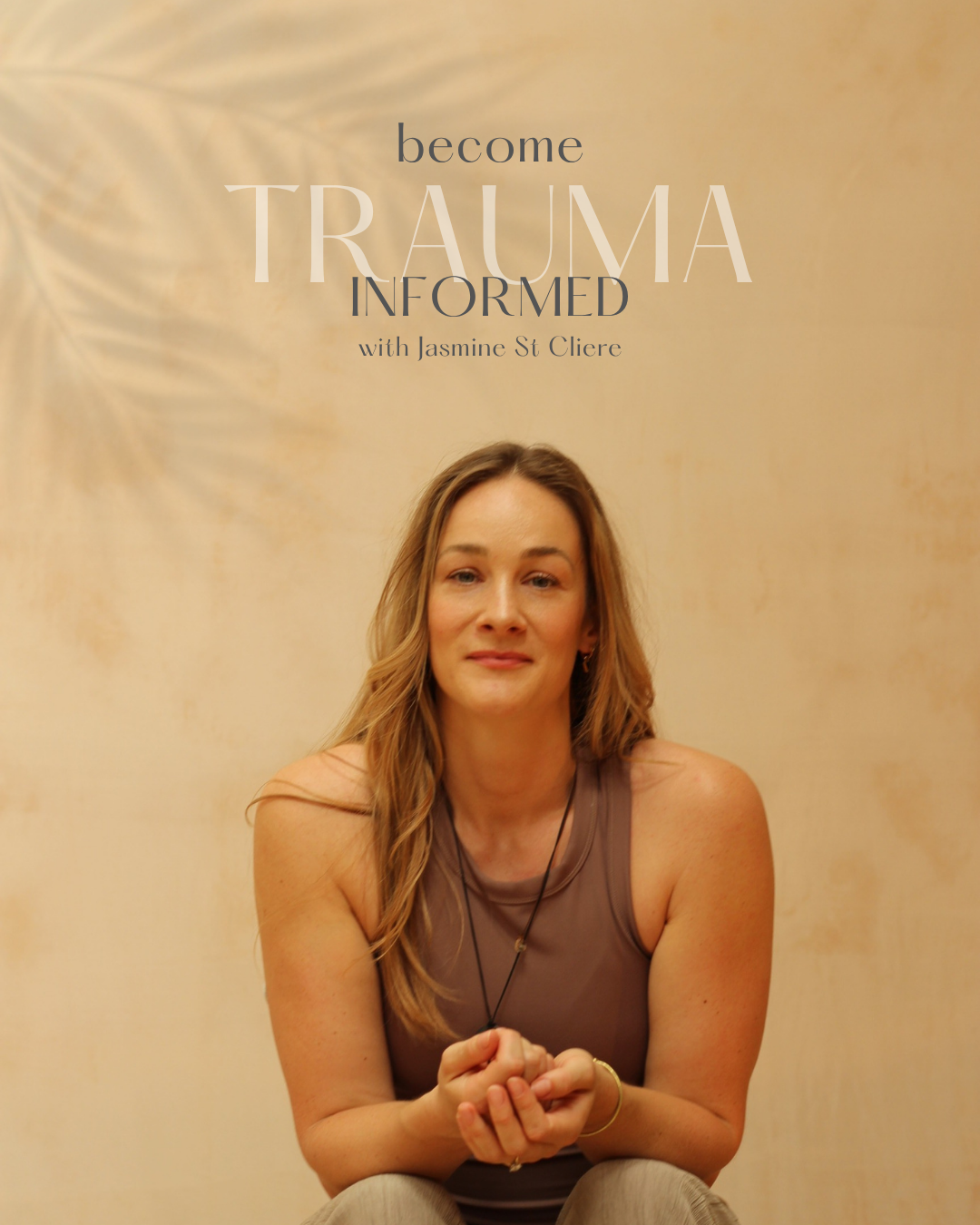
If you show up in service in any kind of job where you hold space for people, I am running a training that might be of interest…
Trauma-Informed Practitioner Training
- 150h Certified CPD
- Sept-Nov 2026
- Triyoga, Camden
(Early bird closes at the end of June)


Leave a comment